Specialized Maintenance
Integrated Pest Management for Silicon Valley Commercial Properties: The Proactive Framework That Eliminates Infestations Before They Start
April 1, 2026
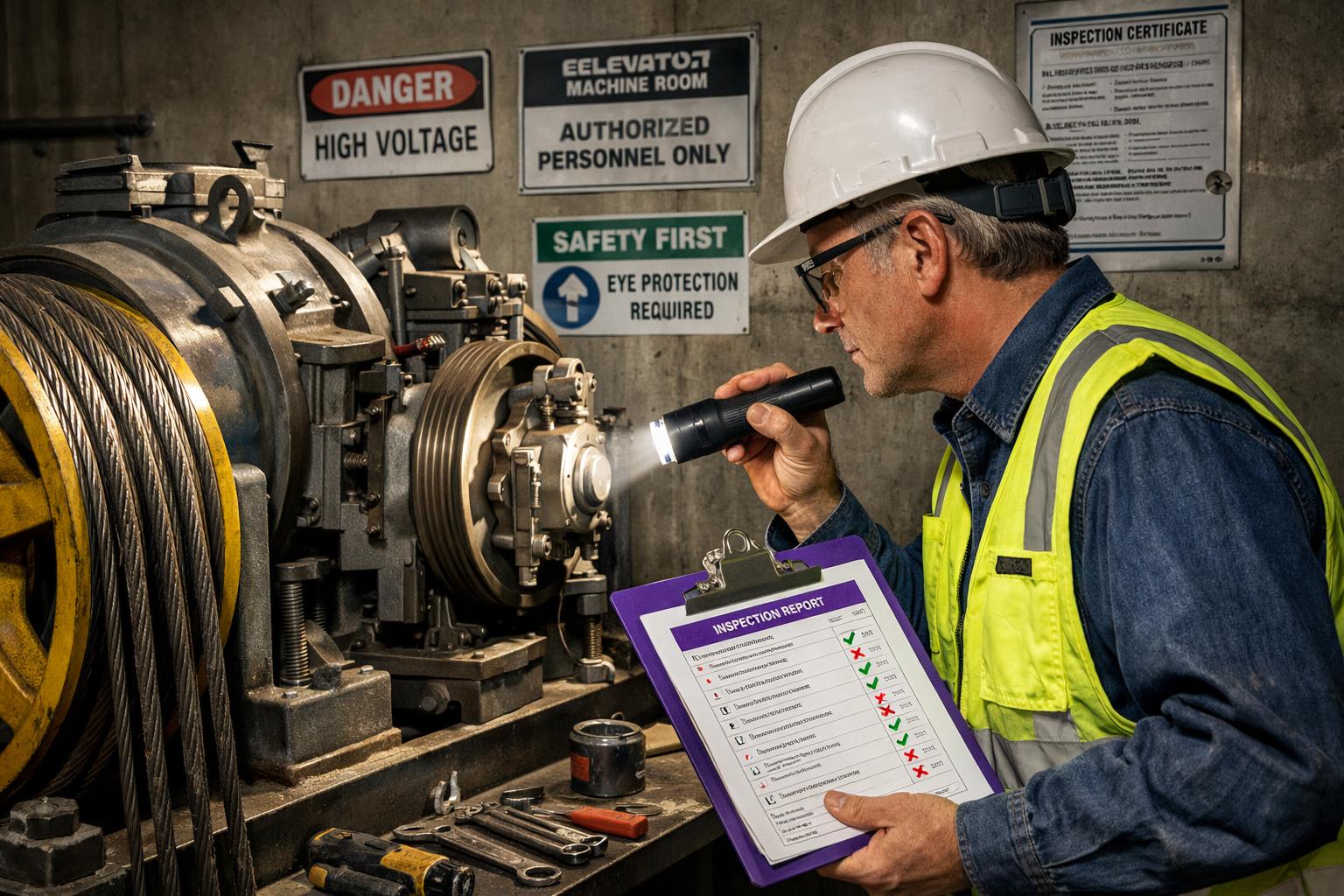
Elevators are the one building system that every occupant uses, every visitor notices, and most facility managers understand least. They are also among the most expensive systems to maintain and the most consequential when they fail. A single elevator outage in a multi-story Silicon Valley office building generates immediate tenant complaints, ADA compliance exposure, and operational disruptions that ripple through the entire property.
Despite this critical importance, elevator maintenance contracts are the facility agreement most commonly signed without thorough evaluation and renewed year after year without performance scrutiny. The specialized nature of elevator technology creates an information asymmetry that elevator service companies use to their advantage.
Here is what every Silicon Valley facility manager needs to understand about elevator maintenance, service contracts, and performance management.
Elevator service contracts come in several tiers, and the differences between them carry significant financial and operational implications. Most facility managers default to whatever their building's existing contract specifies without understanding what they are actually purchasing.
Full maintenance contracts cover all parts and labor for the duration of the agreement. The elevator company maintains the equipment at their expense regardless of what repairs are needed. This structure provides budget predictability and transfers risk from the building owner to the service provider.
The catch is that full maintenance contracts create a financial incentive for the provider to defer non-critical repairs. Since every repair comes out of their margin, the temptation exists to maintain equipment at the minimum level that prevents outright failure rather than the optimal level that maximizes performance and longevity.
Oil and grease contracts cover only routine preventive maintenance, lubrication, adjustment, cleaning, and inspection. All repairs and parts replacements are billed separately at time-and-materials rates. This structure gives the building owner more control but less budget predictability and requires facility management knowledge sufficient to distinguish necessary repairs from upsold work.
Examination-only contracts provide periodic inspections with written reports but no maintenance work. The building contracts repair and maintenance work separately, often with a different company. This approach offers maximum control and transparency but demands significant elevator knowledge from the facility management team.
For most Silicon Valley commercial properties with standard traction or hydraulic elevators, a full maintenance contract with specific performance requirements represents the best balance of cost control and risk management. The key is structuring that contract correctly.
The difference between a good elevator contract and a problematic one lives in the details that most facility managers never negotiate.
Callback response time guarantees should specify maximum response times for both emergency entrapments and standard service calls. For Silicon Valley buildings with regular business hours, require a two-hour maximum response for entrapments and four-hour maximum for standard callbacks during business hours. After-hours entrapment response should not exceed 60 minutes.
Parts exclusion lists define which components the full maintenance contract does not cover. Every elevator company maintains an exclusion list, and these lists can be extensive. Review the exclusion list carefully and negotiate to remove items that represent foreseeable maintenance needs rather than extraordinary capital replacements. Cab interiors, door panels, and fixtures are commonly excluded items that generate significant expense if not caught during contract review.
Performance standards should specify minimum uptime percentages for each elevator unit. A 98% uptime standard means each elevator can be out of service no more than approximately seven days per year across all planned and unplanned downtime. Track this metric monthly and tie contract renewal to consistent achievement.
Modernization obligations should address the service provider's responsibility to recommend and perform technology updates that maintain code compliance, improve performance, and extend equipment life. Without this provision, some providers will maintain aging equipment at a functional-but-declining level while avoiding the modernization conversations that serve the building owner's long-term interest.
Audit rights give you the ability to hire an independent elevator consultant to evaluate your provider's maintenance quality and your equipment's condition. Providers who resist audit provisions typically have maintenance practices that would not survive independent scrutiny.
You do not need to be an elevator technician to evaluate your elevator service provider's performance effectively. Several monitoring approaches give facility managers objective visibility into elevator operations.
Track every callback, the industry term for a service call outside of regular maintenance visits. Log the date, time, nature of the problem, response time, and resolution. Callback frequency is the most reliable indicator of maintenance quality. A well-maintained elevator in a standard commercial application should generate fewer than six callbacks per year. Buildings experiencing more than twelve callbacks per unit annually have a maintenance quality problem regardless of what the service provider reports.
Monitor door performance specifically. Door-related issues account for approximately 70% of all elevator callbacks and outages. Slow doors, doors that reverse repeatedly before closing, and doors that require excessive force to operate all indicate adjustment or component issues that competent preventive maintenance should address before they cause service interruptions.
Conduct quarterly ride quality assessments. Ride each elevator and note noise levels, smoothness, leveling accuracy at each floor, and door operation. Compare your observations quarter to quarter. Gradual degradation in ride quality signals deferred maintenance that will eventually result in component failure and extended outages.
Review your provider's maintenance logs monthly. Competent elevator maintenance generates documentation of specific tasks performed, measurements taken, and adjustments made. Logs that consist of generic entries (visited site, performed routine maintenance, all systems operational) indicate that meaningful maintenance may not be occurring.
The information asymmetry in elevator service creates situations where an independent elevator consultant provides value that far exceeds their fee.
Consider engaging a consultant when you are evaluating a new elevator service contract and need expert review of proposals and exclusion lists, when callback frequency or outage duration has increased without clear explanation from your provider, when your elevators are approaching 20-25 years of age and modernization decisions need to be evaluated, when you receive a recommendation for major repair or modernization work and want independent validation, and when you are acquiring a property and need to understand the elevator equipment's true condition and remaining useful life.
Independent elevator consultants typically charge between $150 and $300 per hour, and a comprehensive assessment of a multi-elevator building takes 8-16 hours including the written report. The insights from a thorough assessment routinely identify tens of thousands of dollars in contract savings, deferred maintenance issues, and code compliance gaps.
For Silicon Valley properties where elevator outages directly impact tenant satisfaction and lease renewal probability, the consultant's fee is insignificant relative to the operational and financial risk of uninformed elevator management.
Elevator modernization is one of the largest capital expenditures a building owner faces, and poor planning leads to overspending, extended outages, and tenant disruption that could have been avoided.
The typical commercial elevator has a useful life of 25-30 years before major modernization becomes necessary. However, individual components (controllers, door operators, cab interiors, fixtures) have shorter lifecycles that may warrant targeted upgrades well before full modernization.
Phased modernization spreads the capital cost and operational disruption across multiple years by addressing components sequentially rather than replacing everything simultaneously. A common phased approach modernizes controllers and door operators first, as these components have the highest impact on reliability and performance, followed by cab interiors and fixtures that refresh the aesthetic experience.
For multi-elevator buildings, modernize one unit at a time to maintain service capacity throughout the project. Plan modernization during lower-occupancy periods when possible, and communicate the timeline and service impact to tenants well in advance.
Elevator management is one of the highest-leverage facility management skills because the costs are significant, the tenant impact is immediate, and the information gap between building owners and service providers is wide. Facility managers who invest the time to understand elevator maintenance fundamentals, structure contracts with appropriate protections, and monitor performance with objective metrics consistently achieve better outcomes at lower costs.
Start by pulling your current elevator contract and reviewing it against the provisions outlined here. Schedule a ride quality assessment this week. Log your next quarter's callback data. These simple steps build the foundation for elevator management that protects your building's performance and your budget.
MAFM PRO manages elevator service relationships and performance monitoring for Silicon Valley commercial properties. Let us help you optimize your elevator maintenance program.
Schedule your consultation: Contact MAFM.PRO
MAFM offers comprehensive facility management solutions tailored to your business needs.
Get in Touch