Water Damage Prevention and Response: Protecting Silicon Valley Commercial Properties from the Most Expensive Facility Emergency
Water Damage Prevention and Response: Protecting Silicon Valley Commercial Properties from the Most Expensive Facility Emergency
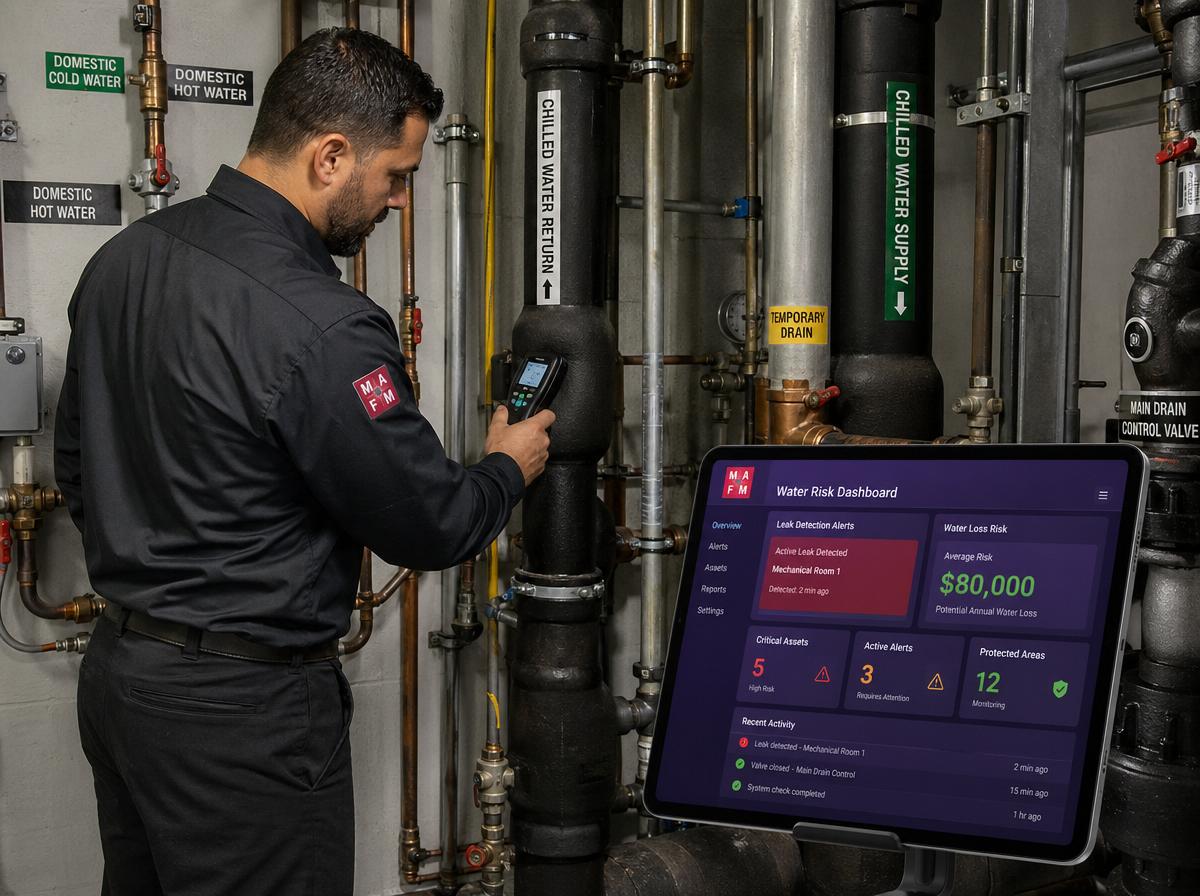
Water damage is the single most frequent cause of major property loss in commercial buildings. Not fire, not earthquakes, not vandalism, water. The Insurance Information Institute consistently ranks water damage as the leading cause of commercial property insurance claims by both frequency and severity. The average commercial water loss exceeds $80,000 when direct damage, business interruption, remediation, and restoration costs are fully calculated.
For Silicon Valley facility managers, water damage prevention and rapid response capability are not optional risk management activities, they are core operational responsibilities that protect millions of dollars in property value, tenant improvements, and business operations. The building that experiences a major water event without proper prevention systems and response protocols faces weeks of disruption, tenant relationship damage, and costs that can reshape the annual budget.
Here is the comprehensive framework for keeping your building dry and responding effectively when water goes where it should not.
The Five Primary Water Damage Sources
Understanding where water damage originates allows targeted prevention that addresses the most likely failure points.
Plumbing system failures account for approximately 40% of commercial water damage events. The most common plumbing failures include supply line ruptures, typically at connections and fittings rather than mid-pipe; toilet and urinal supply line failures, often at flex connector fittings that fatigue over time; water heater failures from corroded tanks, failed relief valves, and connection failures; and domestic water pressure surges that stress aging pipe joints and connectors.
HVAC condensate system failures represent about 20% of commercial water damage. Air conditioning systems generate significant condensate during cooling operation, and the drain lines, pans, and pumps that manage this water are frequently the weakest maintenance link in otherwise well-maintained HVAC systems. A clogged condensate drain on a rooftop air handler can overflow onto the roof and into the building, creating damage paths that trace through multiple floors.
Roof failures from membrane deterioration, flashing failure, and drainage obstruction create water intrusion that often goes undetected until interior damage becomes visible. By the time water stains appear on ceiling tiles, the subsurface migration typically extends well beyond the visible symptoms.
Fire suppression system failures, accidental sprinkler activation from physical impact, corrosion-related failures in older sprinkler piping, and freeze damage in unheated pipe runs, produce some of the most severe water damage events because sprinkler systems deliver water at high volume and pressure.
External water intrusion from storm events, landscape irrigation directed against the building, and groundwater infiltration through below-grade walls and floor slabs creates chronic moisture conditions that drive mold growth, concrete deterioration, and interior finish damage.
Preventive Infrastructure
The most cost-effective water damage prevention invests in detection and automatic shutoff systems that catch leaks in the first minutes rather than the first hours.
Smart water leak detection sensors placed at every high-risk location provide immediate alerting when water appears outside containment. High-risk locations include under every water heater, at every HVAC condensate drain pan, beneath restroom and break room sinks, at fire riser rooms, in elevator pits, and at every below-grade sump. Wireless sensor systems that transmit alerts to facility staff phones and building management systems cost $30–$80 per sensor and can prevent damage that exceeds $50,000 per event.
Automatic shutoff valves on domestic water supply lines can isolate building water supply when leak detection systems identify abnormal flow. These systems analyze water flow patterns and detect the sustained, non-typical flow that indicates a pipe failure. When triggered, they close the main supply valve and alert facility staff. The technology has matured to the point where false shutoffs from normal use patterns are rare.
HVAC condensate monitoring including float switches on condensate pans that trigger alerts before overflow and secondary drain pans beneath air handlers that catch overflow before it reaches the building interior provide layered protection against the HVAC condensate failures that produce the most preventable water damage.
Pressure regulation on domestic water systems prevents the pressure surges that stress pipe joints and accelerate fitting fatigue. Buildings served by municipal water systems with variable pressure should install pressure-reducing valves sized for the building's specific flow requirements.
Inspection and Maintenance for Prevention
Prevention infrastructure supplements but does not replace the inspection and maintenance activities that identify developing water risks before they become failures.
Quarterly plumbing inspections should examine all visible supply lines, drain connections, water heaters, and valves for signs of corrosion, weeping, staining, or deterioration. Pay particular attention to flex connectors on toilet and urinal supply lines, these components have a defined service life and should be replaced on a scheduled cycle every five to seven years rather than run to failure.
Monthly HVAC condensate system checks verify that drain lines flow freely, condensate pans are clean and undamaged, and condensate pumps operate correctly. Pour water into each condensate pan to verify drainage. This five-minute check per unit prevents the $20,000 ceiling collapse that a clogged condensate drain can cause.
Semi-annual roof inspections with particular attention to drain condition and flashing integrity catch the developing vulnerabilities that become failures during storm events. Clear all roof drains completely during each inspection and verify that emergency overflow drains function.
Annual domestic water system inspection by a licensed plumber evaluates pipe condition, valve function, backflow prevention, and pressure regulation. For buildings with copper piping older than 30 years or galvanized piping of any age, internal pipe condition assessment can identify corrosion levels that predict failure timing.
The 60-Minute Response Protocol
When water damage occurs despite prevention efforts, the first 60 minutes determine whether the event is a manageable cleanup or a catastrophic loss. Your response protocol must be documented, rehearsed, and executable by whoever discovers the problem, regardless of their position or training level.
Minutes 0–5: Stop the water source. Identify and close the nearest shutoff valve upstream of the leak. If the source cannot be identified or isolated, close the building main water supply. For roof leaks, this step is not applicable, focus on interior protection.
Minutes 5–15: Protect assets. Move electronics, documents, and high-value items away from the water path. Deploy plastic sheeting over furniture and equipment that cannot be moved. Open interior doors to allow air circulation. Do not operate electrical equipment in standing water.
Minutes 15–30: Begin water extraction. Deploy wet/dry vacuums, mops, and absorbent materials to remove standing water. Position any available dehumidifiers and air movers in the affected area. Open windows if weather permits to increase ventilation.
Minutes 30–60: Contact your pre-arranged restoration company. Provide the scope estimate: approximate area affected, depth of water, affected materials, and source status. A pre-negotiated emergency response contract ensures priority dispatch and agreed-upon pricing. Without a pre-existing relationship, you join the queue of buildings competing for available restoration crews during events that often affect multiple properties simultaneously.
Document everything from the first moment. Photograph the water source, the damage path, and every affected area. Note the time of discovery, the actions taken, and the people involved. This documentation supports insurance claims and protects against liability.
Restoration and Recovery Management
The days and weeks following a water event require facility management attention that extends well beyond the initial emergency response.
Moisture monitoring must continue until affected materials reach equilibrium with ambient conditions. Restoration contractors use moisture meters and thermal imaging to track drying progress. Premature termination of drying operations, closing up walls and replacing finishes before substrate moisture reaches acceptable levels, creates conditions for mold growth that produces a second round of damage more expensive than the first.
Mold prevention requires maintaining relative humidity below 60% and ensuring complete drying within 48–72 hours of water contact. Materials that cannot be dried within this window (saturated drywall, wet insulation, soaked carpet padding) must be removed and replaced rather than dried in place.
Tenant communication during restoration should be proactive, honest, and frequent. Tenants affected by water damage are experiencing disruption to their business operations. Providing daily restoration progress updates, realistic timeline estimates, and a single point of contact for questions maintains the relationship through a difficult period.
Insurance claim management requires organized documentation of the event, all damage, all remediation activities, and all costs. Engage your insurance broker immediately upon discovery and coordinate with the adjuster throughout the restoration process. Documenting additional costs (overtime for facility staff, temporary equipment rental, tenant accommodation expenses) ensures comprehensive claim recovery.
Conclusion
Water damage prevention is an investment that pays for itself the first time it works. The cost of a building-wide leak detection system is a fraction of a single major water event. The cost of quarterly plumbing inspections is negligible compared to an emergency pipe replacement. The cost of maintaining a restoration company relationship is zero until you need it, and the savings in response time and priority service when you do need it can prevent tens of thousands in additional damage.
Build your water damage prevention and response program this month. Install detection sensors at high-risk locations, verify your shutoff valve accessibility, establish your restoration company relationship, and train your team on the 60-minute response protocol. Water does not announce its intentions. Your building must be ready before the event occurs.
MAFM PRO includes comprehensive water damage prevention in our facility management programs. Contact us for a water risk assessment of your Silicon Valley property.
Schedule your consultation: Contact MAFM.PRO
Ready to Optimize Your Facilities?
MAFM offers comprehensive facility management solutions tailored to your business needs.
Get in Touch